
Description
Product Overview
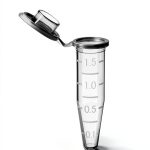
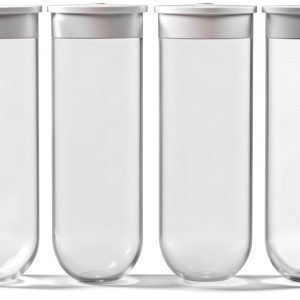
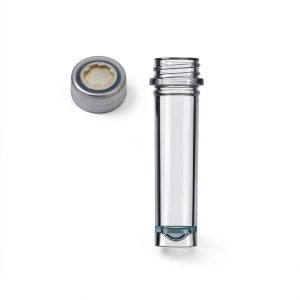
The Tough-Spots RPI orange microcentrifuge tubes are engineered for precision and durability in demanding laboratory environments. Constructed from high-grade polypropylene, these tubes resist chemical degradation, provide low sample binding, and maintain structural integrity under centrifugation forces. The 3/8 inch (9.5 mm) diameter aligns with standard microcentrifuge rotors, while the 0.5‑2 ml volume range accommodates a broad spectrum of assays, from nucleic acid extraction to enzyme reactions. Each tube features a secure snap‑fit cap that prevents leakage and evaporation, ensuring sample stability throughout processing steps. The vibrant orange color enhances visual identification, reducing the risk of cross‑contamination during high‑throughput workflows. Packaged in bulk quantities of 1,000, these tubes deliver a cost‑effective solution for laboratories that require consistent performance and reliable supply chain continuity.
![[Product front view showing all components]](https://www.zephyrfinds.store/wp-content/uploads/2026/07/3be6b20254cf40bcbf3598b81642de7b.jpg)
Usage
These tubes are ideally suited for a variety of research and industrial applications. In molecular biology labs, they serve as the primary vessel for PCR, qPCR, and DNA/RNA purification protocols, where their low adsorption properties preserve nucleic acid integrity. In biochemistry, they support enzyme kinetics assays, protein precipitation, and small‑scale purification steps, benefiting from the robust polypropylene material that tolerates a wide pH range and organic solvents. The tubes also excel in clinical diagnostics, where precise volume handling and secure sealing are critical for accurate test results. Their compatibility with standard microcentrifuge equipment makes them a seamless fit for routine sample preparation, high‑throughput screening, and automated liquid handling platforms. The orange hue aids technicians in quickly locating the correct tube type among a diverse inventory, streamlining workflow efficiency.
Why Choose Us
Choosing Tough-Spots from RPI means selecting a product backed by rigorous quality control and a reputation for reliability in the scientific community. Each batch undergoes comprehensive testing for dimensional accuracy, cap seal integrity, and material purity, ensuring that every tube meets exacting standards. The polypropylene formulation is free from leachables that could interfere with sensitive assays, providing confidence in experimental outcomes. RPI’s commitment to sustainability is reflected in the recyclable nature of the polymer, aligning with environmentally conscious laboratory practices. Additionally, our dedicated technical support team offers guidance on optimal usage, troubleshooting, and integration with existing laboratory workflows, reinforcing a partnership that extends beyond the point of sale.
Key Features
- High‑grade polypropylene construction delivers chemical resistance and low sample adsorption.
- Standard 3/8 inch diameter ensures compatibility with most microcentrifuge rotors.
- Secure snap‑fit caps prevent leakage and evaporation during centrifugation.
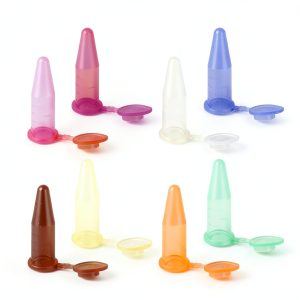
- Bright orange color enhances visual identification and reduces cross‑contamination risk.
- Comprehensive technical support and after‑sales service for seamless laboratory integration.
FAQ
Can these tubes be used with organic solvents?
Yes, the polypropylene material is resistant to a wide range of organic solvents, making the tubes suitable for extractions and reactions that involve solvents such as ethanol, methanol, and acetonitrile.
What is the maximum centrifuge speed these tubes can withstand?
The tubes are rated for speeds up to 15,000 × g, which covers the requirements of most standard microcentrifuge applications.
Are the caps compatible with automated liquid handling systems?
The snap‑fit caps are designed for easy manual operation but also work reliably with many automated pipetting and dispensing platforms that accommodate standard microcentrifuge tube caps.
Is the orange color purely for identification, or does it affect assay performance?
The orange pigment is chemically inert and does not interfere with optical measurements or assay chemistry, providing the benefit of easy identification without compromising experimental results.
What is the recommended storage condition for these tubes?
Store the tubes at room temperature, away from direct sunlight and extreme temperature fluctuations. Under these conditions, the polypropylene maintains its integrity for years.
Reviews
There are no reviews yet.